Get Residential Pest Control
Residential pest control services help property owners eliminate and prevent pests like insects and rodents through inspections, treatments, and ongoing maintenance.
Residential pest control services are an important consideration for property owners seeking to maintain a safe and comfortable living environment. Whether dealing with common household pests or preparing for seasonal changes, exploring local options can help identify experienced service providers capable of addressing specific needs. Planning a pest management project involves comparing local contractors to find those with the right expertise and reputation for effective solutions, making it easier to select a trusted partner for the job.
By examining the available local service providers, homeowners can better understand the range of pest control options suited to their property. This process allows for informed decisions based on the types of pests common in the area and the approaches used by different contractors. Continuing to explore local pros can help property owners find reliable solutions tailored to their specific circumstances, ensuring a pest-free home environment.
- Ant Pest Control - needed when ants invade kitchens, basements, or outdoor spaces.
- Rodent Exclusion - required if rodents are entering through gaps or signs of droppings appear.
- Termite Treatment - necessary when signs of termite activity or damage are detected in the home.
- Spider Removal - sought after when spiders are present in living areas or around the foundation.
- Bed Bug Treatment - essential if bites, shed skins, or live bugs are found in bedrooms or furniture.
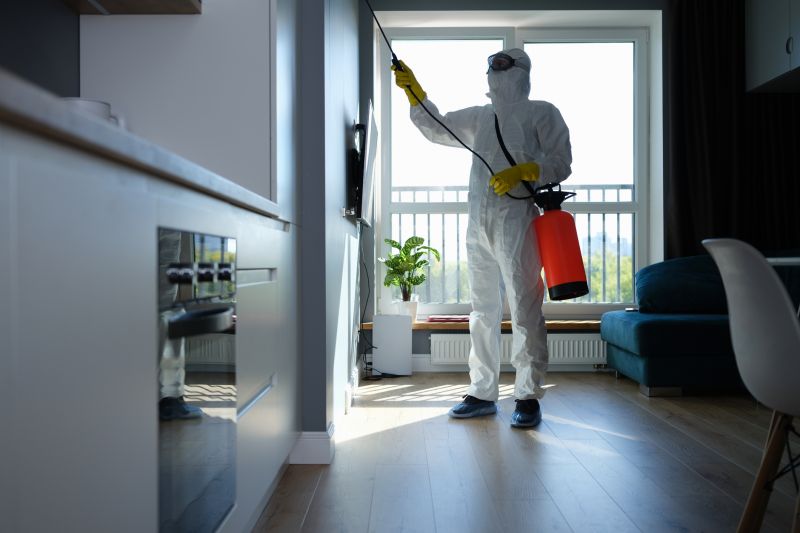

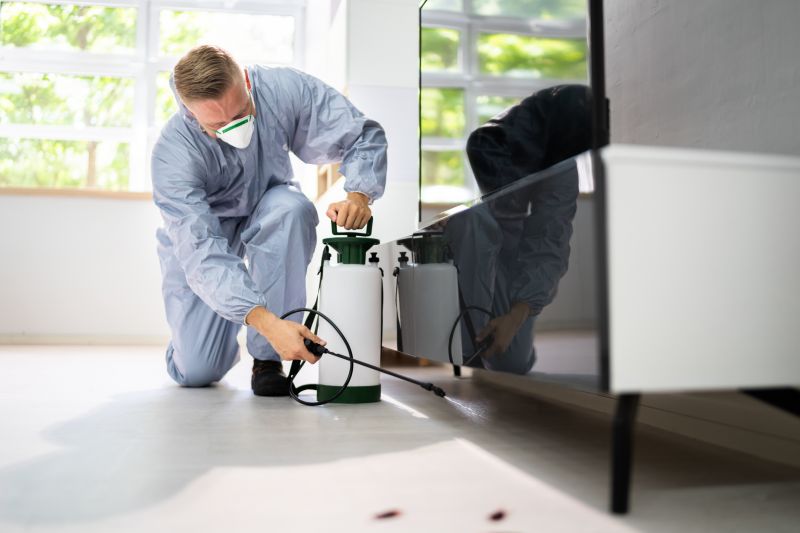
Residential pest control services involve professional treatments designed to eliminate and prevent pests such as ants, cockroaches, spiders, rodents, and other common household invaders. These services typically include a thorough inspection of the property to identify pest activity and entry points, followed by targeted treatments to eradicate existing infestations. Service providers may use a combination of baiting, trapping, and residual treatments to ensure pests are effectively removed and do not return. Regular maintenance visits can also be scheduled to monitor pest activity and provide ongoing protection, helping homeowners maintain a pest-free environment.
These services are essential for solving a variety of pest-related problems that can disrupt daily life or threaten property integrity. Common issues include the presence of pests in kitchens and living areas, signs of rodent activity such as droppings or gnaw marks, and the discovery of nests or webs. Pest control can also address infestations that cause damage to furniture, wiring, or insulation, as well as prevent the spread of germs and allergens associated with certain pests. By addressing these problems early, homeowners can reduce health risks and avoid costly repairs caused by pest damage.
Residential pest control is used in a wide range of property types, including single-family homes, townhouses, and condominiums. It is also applicable to multi-unit apartment complexes and rental properties where pest issues can quickly spread from one unit to another. Properties with yards, gardens, or outdoor structures are often targeted for pest prevention services to control pests that may enter from outside. Whether a residence is new or older, pest control services can be tailored to meet specific needs, ensuring the home remains comfortable and pest-free year-round.
Homeowners typically seek residential pest control services when they notice signs of pest activity or want to proactively prevent infestations. Common triggers include seeing pests around the house, noticing unusual odors, or experiencing damage to belongings. Pest control services are also useful for addressing seasonal pest problems or preparing a property for new occupants. Contacting local service providers can help identify the best treatment options for each property type and pest issue, making it easier to maintain a safe and comfortable living environment.
The overview below groups typical Residential Pest Control projects into broad ranges so you can see how smaller, mid-sized, and larger jobs often compare in your area.
In many markets, a large share of routine jobs stays in the lower and middle ranges, while only a smaller percentage of projects moves into the highest bands when the work is more complex or site conditions are harder than average.
Smaller Repairs - Typical costs for routine pest control treatments in residential properties range from $250 to $600. Most common jobs, such as initial inspections and targeted treatments, fall within this range. Larger or more complex projects can exceed this, but they are less frequent.
Ongoing Maintenance - Regular pest management plans usually cost between $50 and $150 per visit, with many homeowners scheduling quarterly treatments. These ongoing services help prevent infestations and generally stay within the lower to mid-range costs.
Full Property Treatments - Complete pest control services for larger homes or extensive infestations can range from $1,000 to $3,000. Such projects are less common but are necessary for severe or widespread pest issues.
Major Extermination Projects - Large-scale or specialized pest control efforts, including termite treatments or rodent infestations, can reach $5,000 or more. These high-end projects are typically reserved for complex or urgent cases handled by experienced local contractors.
Actual totals will depend on details like access to the work area, the scope of the project, and the materials selected, so use these as general starting points rather than exact figures.
Termite Inspection and Treatment - local contractors assess properties for termite activity and apply targeted treatments to prevent or eliminate infestations, similar to pest control in residential settings.
Rodent Control Services - local service providers identify entry points and set traps or bait stations to manage rodent populations, requiring planning and pest management skills akin to residential pest control.
Wildlife Removal - local pros safely remove animals such as raccoons or squirrels from homes, involving similar planning, trapping, and exclusion techniques used in pest control.
Mosquito Control Programs - local contractors implement mosquito reduction strategies through larviciding and habitat management, sharing techniques with residential pest management for outdoor spaces.
Bed Bug Extermination - local specialists inspect and treat infested areas with targeted methods, requiring detailed planning and treatment application similar to general pest control services.
Flea and Tick Treatments - local service providers apply treatments to yards and homes to control fleas and ticks, involving similar pest management strategies used in residential pest control projects.
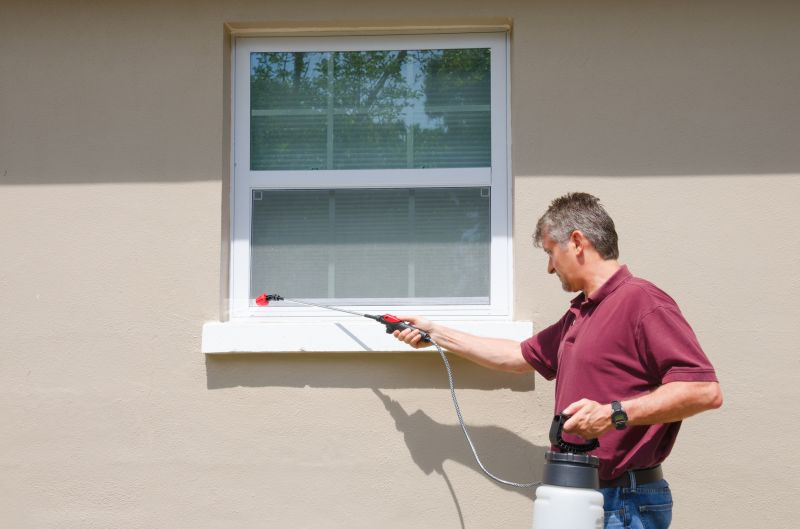
When comparing residential pest control service providers, it’s important to consider their experience handling projects similar to the homeowner’s specific needs. A contractor with a history of addressing pest issues in homes like yours is more likely to understand the unique challenges involved and deliver effective solutions. Looking into the types of pests they have successfully managed and the environments in which they have worked can help ensure that the selected service provider has relevant expertise.
Clear, written expectations are essential for establishing a shared understanding of the scope of work, the methods to be used, and the desired outcomes. Service providers who can provide detailed descriptions of their approach and what homeowners can expect help reduce surprises and ensure transparency. This clarity allows homeowners to make informed decisions and compare options based on how well the proposed plans align with their needs.
Reputable references and strong communication are key indicators of a reliable service provider. Local contractors who can offer references from previous clients demonstrate a track record of satisfied customers and successful projects. Good communication throughout the process - including responsiveness, clarity, and professionalism - helps ensure that homeowners feel confident and informed at every stage. It’s important to select service providers who prioritize clear dialogue and are willing to address questions or concerns promptly.
Property owners use Residential Pest Control services for practical projects around their homes and businesses. This guide focuses on everyday jobs and straightforward project options.
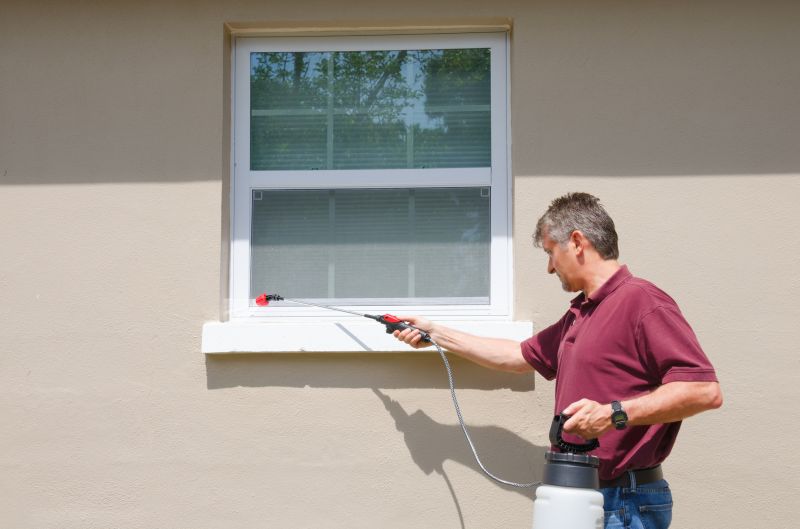
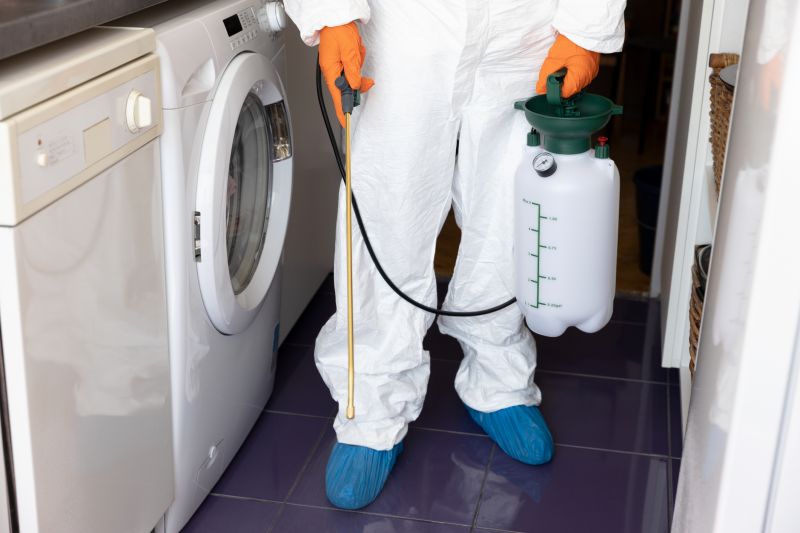
Residential property owners in the area often seek pest control services when they notice unwanted insects or rodents around their homes. Common situations include spotting signs of pests in living spaces, such as droppings, chewed wires, or nesting activity, which can indicate a developing problem. Local contractors are available to assess these issues and provide effective solutions to help maintain a comfortable and pest-free environment.
Additionally, many property owners look for pest control when preparing for seasonal changes or after recent weather events that may have increased pest activity. Whether dealing with ants, spiders, or other common pests, residents may want professional assistance to prevent infestations from spreading or recurring. Service providers in the area can offer tailored treatments and advice to keep homes protected throughout the year.
What types of pests do residential pest control services cover? Local contractors typically handle common household pests such as ants, roaches, spiders, termites, rodents, and bed bugs.
How do pest control treatments work in residential settings? Service providers assess the pest problem and apply targeted treatments to eliminate pests and prevent future infestations.
Are there any preparations needed before pest control treatments? Depending on the pest and treatment method, homeowners may need to remove food, cover or move furniture, or vacate certain areas temporarily.
Can pest control services be used for ongoing prevention? Yes, many local contractors offer maintenance plans or recurring treatments to help keep pests from returning.
What should homeowners do after a pest control treatment? Homeowners are usually advised to follow any specific post-treatment instructions provided by the service provider to ensure effectiveness.
Preventive Pest Management - property owners can schedule regular treatments to keep common pests like ants and spiders out of their homes.
Infestation Inspection - homeowners experiencing unexplained pests can arrange for local contractors to identify the source and extent of the problem.
Seasonal Pest Control - during certain times of the year, property owners can seek services to address pests that become more active, such as wasps or rodents.
Structural Pest Barriers - property owners can explore options for installing barriers to protect foundations and entry points from pests.
If you are thinking about Residential Pest Control for a property, this guide is meant to help you understand the work, the typical project types, and how different options might fit your plans.
When you are ready, you can use the quote form on this page to share a few details about your project. From there, local pros can review the basics and respond with options that match what you have in mind.