
Ultimate Pigeon Control Products For Effective Removal
Find the most reliable products to manage and deter pigeons, ensuring a pest-free and hygienic area.
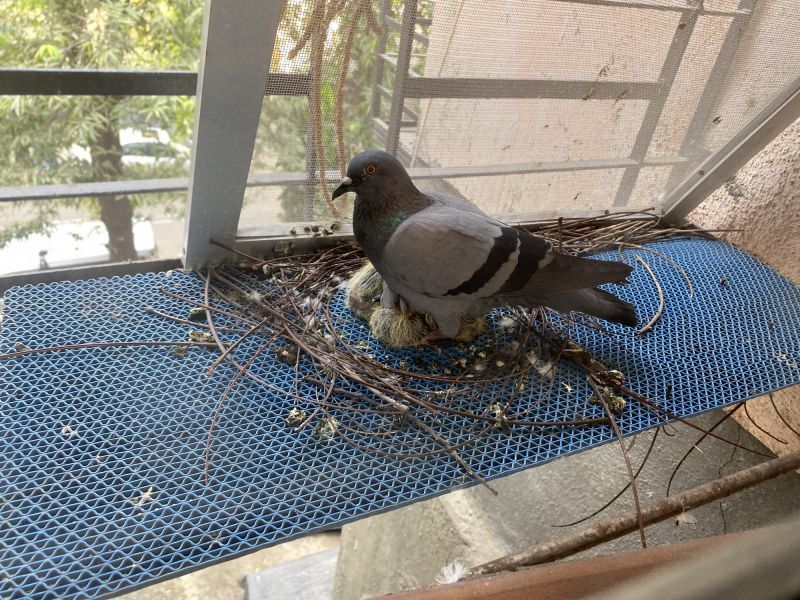 Dealing with pigeon presence can be a challenging task for property owners and maintenance professionals. Pigeons often roost in high, hard-to-reach areas such as building ledges, eaves, and rooftops, leading to droppings, debris, and potential damage to structures. Effective pigeon removal strategies involve a combination of humane deterrents and physical barriers to prevent ongoing issues. Selecting the right products is essential to ensure safe, efficient, and humane removal without causing harm to the birds or the environment.
Top Overall Option
Bird Spikes for Pigeon Deterrence
Bird spikes are a widely used, humane solution for preventing pigeons from landing and roosting on ledges, roofs, and other flat surfaces. They are made of durable materials and come in various sizes and configurations to suit different installation needs. When properly installed, bird spikes act as a physical barrier that discourages pigeons from settling without harming them. They are easy to maintain and can be used in both residential and commercial settings, making them a versatile choice for pigeon management.
Types of Products For Pigeon Removals
Bird Spikes
Spikes provide a physical barrier on ledges, rails, and flat surfaces to prevent pigeons from landing. They are available in different materials such as stainless steel or plastic.
Bird Netting
Netting creates a barrier over larger areas like balconies, vents, or entire rooftops to block pigeons from entering or roosting.
Ultrasonic Bird Repellers
Ultrasonic devices emit sounds that are unpleasant to pigeons but inaudible to humans, helping to discourage their presence.
Visual Deterrents
Reflective tapes, scare balloons, or predator decoys are used to create visual cues that scare pigeons away.
Pigeon Traps
Live traps are used to humanely capture pigeons for relocation or removal, often used in conjunction with other deterrents.
Electric Deterrent Devices
Electric shock tracks or wires deliver a mild shock to discourage pigeons from landing on certain surfaces.
Decoy Predators
Models of predators such as hawks or owls are placed to create a sense of threat and deter pigeons.
Sticky Gel Repellents
Sticky gels are applied to surfaces to make landing uncomfortable for pigeons without causing harm.
Roof Vents and Covers
Specialized covers prevent pigeons from nesting inside vents or on roof structures.
Perch Deterrents
Devices designed to make perching areas uncomfortable or inaccessible for pigeons.
Bird Wire Systems
Thin wires installed across surfaces to prevent pigeons from landing or nesting.
Roof Drain Covers
Covers that prevent pigeons from nesting in roof drains or gutters.
Pigeon Repellent Sprays
Chemical sprays that create an unpleasant surface for pigeons, discouraging landing.
Window Screen Barriers
Screens installed over windows and vents to block pigeons from entering or roosting.
Sound Deterrent Devices
Devices that produce distress sounds to keep pigeons away from specific areas.
Popular Choices
A common physical barrier option used on ledges and flat surfaces to discourage pigeons from landing.
Effective for covering large spaces such as balconies, rooftops, or vents to prevent pigeon access.
Popular for their non-intrusive deterrent method, emitting sounds that pigeons find uncomfortable.
Affordable visual deterrent that reflects light to scare pigeons away from open areas.
Humane trapping devices used to capture and relocate pigeons, often combined with other deterrents.
Decoys of hawks or owls placed strategically to create a perceived threat for pigeons.
Electric deterrents installed on ledges or wires to discourage landing without harming birds.
Applied to surfaces to make landing uncomfortable for pigeons, aiding in deterrence.
Protect vents from pigeon nesting, maintaining airflow and reducing roosting spots.
Specialized devices that make perching areas inaccessible or uncomfortable for pigeons.
Thin wires installed across surfaces to prevent pigeons from landing or nesting.
Prevent pigeons from nesting inside roof drains and gutters, reducing debris buildup.
Chemical repellents that discourage pigeons from landing on treated surfaces.
There are various types of products designed specifically for pigeon management, ranging from physical barriers like netting and spikes to visual and auditory deterrents. Each product type serves different scenarios and property types, so understanding the specific needs of your space is crucial. Proper installation and consistent maintenance of these products can significantly reduce pigeon activity and prevent future nesting or roosting.
When choosing pigeon removal solutions, it's important to consider the longevity and durability of the products, ease of installation, and whether they are suitable for your specific environment. Some products are more discreet and blend seamlessly into building aesthetics, while others are more visible but highly effective at deterring pigeons. Always prioritize humane options that discourage roosting without causing injury or distress to the birds.
Investing in the right tools and deterrents can help maintain a cleaner, healthier property environment. Regular inspection and maintenance of these products ensure their continued effectiveness. Combining physical barriers with other deterrent methods can provide a comprehensive approach to pigeon management, helping to minimize ongoing issues and protect your property from damage caused by these persistent birds.
Key Buying Considerations
- Effectiveness of the deterrent method for your specific environment and pigeon activity level.
- Humane treatment options that avoid causing injury or undue stress to the birds.
- Durability and weather resistance of the product, especially for outdoor installations.
- Ease of installation and whether professional help is needed.
- Aesthetic impact and how well the product blends with your property’s appearance.
- Maintenance requirements and the longevity of the deterrent’s effectiveness.
- Compatibility with existing structures and surfaces where the product will be installed.
- Potential for non-target impacts, ensuring other wildlife or pets are not harmed.
- Cost considerations relative to the size of the area to be protected.
- Availability of replacement parts or accessories for ongoing maintenance.
- Legal considerations or restrictions related to bird deterrent devices in your area.
- User reviews and feedback regarding long-term performance.
- Versatility of the product for different surfaces and scenarios.
- Ability to combine multiple deterrent methods for enhanced effectiveness.
- Warranty or satisfaction guarantee offered by the manufacturer.
This page contains affiliate links. We may earn a commission if you purchase products through these links, at no additional cost to you.